Design is something that can solve the problem of the environment by promoting durability, reuse and responsible utilization of materials. Sustainable design requires the mixing of creative thinking and practical thinking. Rather than engage just with the appearance of an object, it examines the lifecycle of an object. It also focuses on its use from the moment it is created through to its disposal.
Conceptualization of Design and Its Duration
Here’s how:
Durability Matters
Design products that will last will decrease the need for regular replacement. In fashion, it could involve choosing sturdy materials and techniques. Meanwhile, in other design forms, it can include the design of objects to be used often. Long-lasting products can decrease the volume of waste materials in the waste system.
Timeless Design Minimizes Trend Driven Waste
When there are rapid changes, people can be motivated to discard perfectly usable products. Timeless designs are more flexible and can stand the test of time, as they can still look great even when there are trends changing. Styles, accessories and a slight facelift may also be used to update a classic.
Reuse as a Creative Opportunity
Check these out:
Recycle/re-purpose Existing Items
Recycling makes people think and create using old items. New decorations or storage boxes can come from patching up old clothes, re-staining furniture, and repurposing containers.
Incorporate Repair into Design
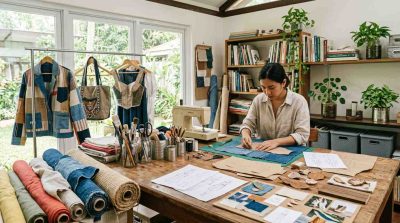 Small fixes lead to a big change in the life years of daily items. Repairing them makes them attractive through creative skills. This makes it difficult to believe that it is a valuable experience if it doesn’t seem completely novel.
Use More Suitable Materials
When discussing materials in the classroom, think about the whereabouts of the materials. Thinking about the environmental impact of materials, before designers select them or consumers use them. Recycled, reclaimed, renewable or responsibly sourced materials may offer alternatives to newly extracted materials. Material selection is thus of importance in sustainable design.
Sustainability is an example of creativity and environmental responsibility being placed side by side.